

What makes a piece of jewelry valuable to us? For a long time, luxury offered a fairly straightforward answer: rarity, heritage, craftsmanship and, often, the name on the box. Those things still matter, but the way we buy and wear jewelry is changing. We know more about what we are buying, we have more choices, and we are increasingly comfortable deciding for ourselves what deserves our attention.
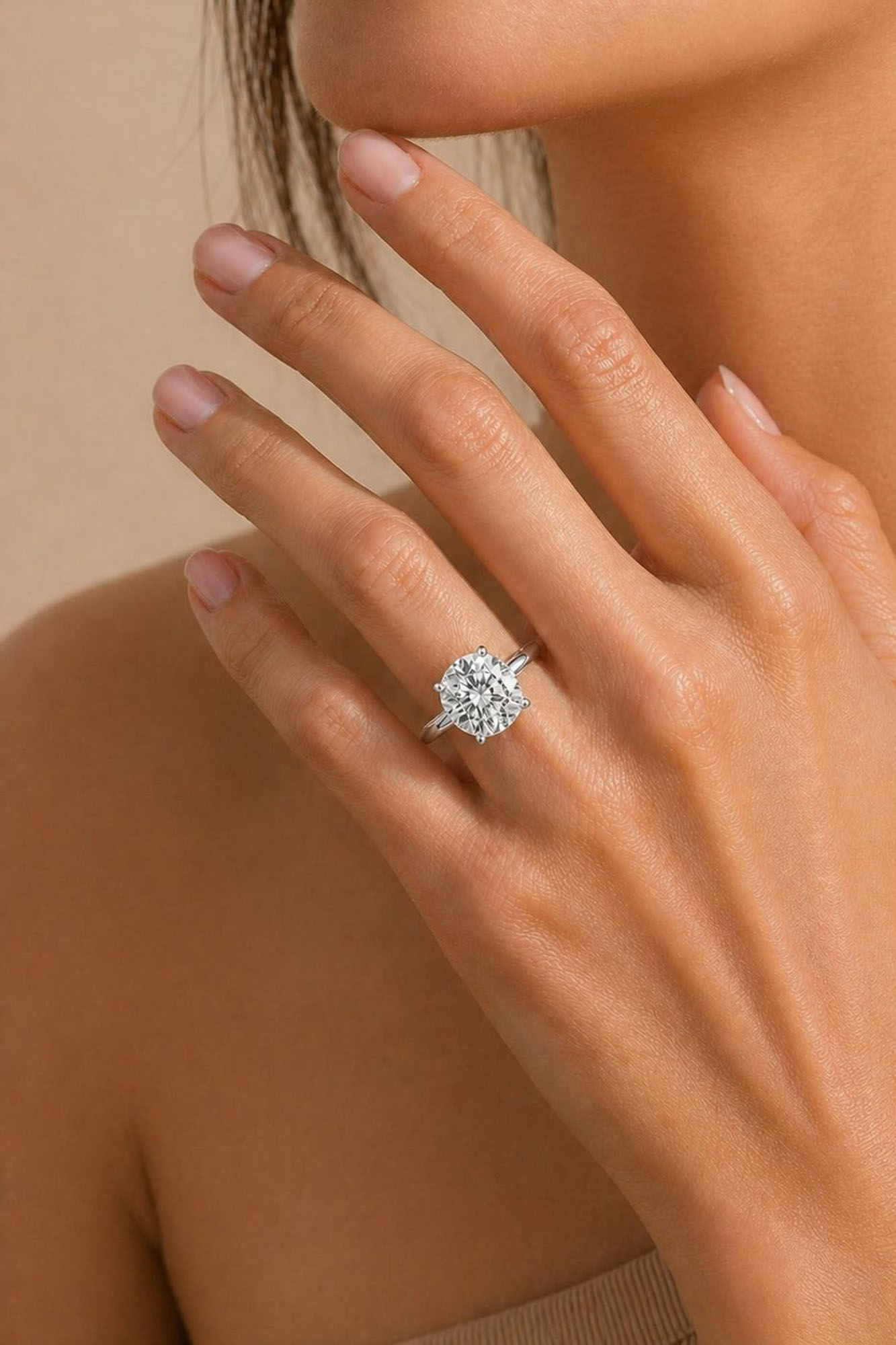
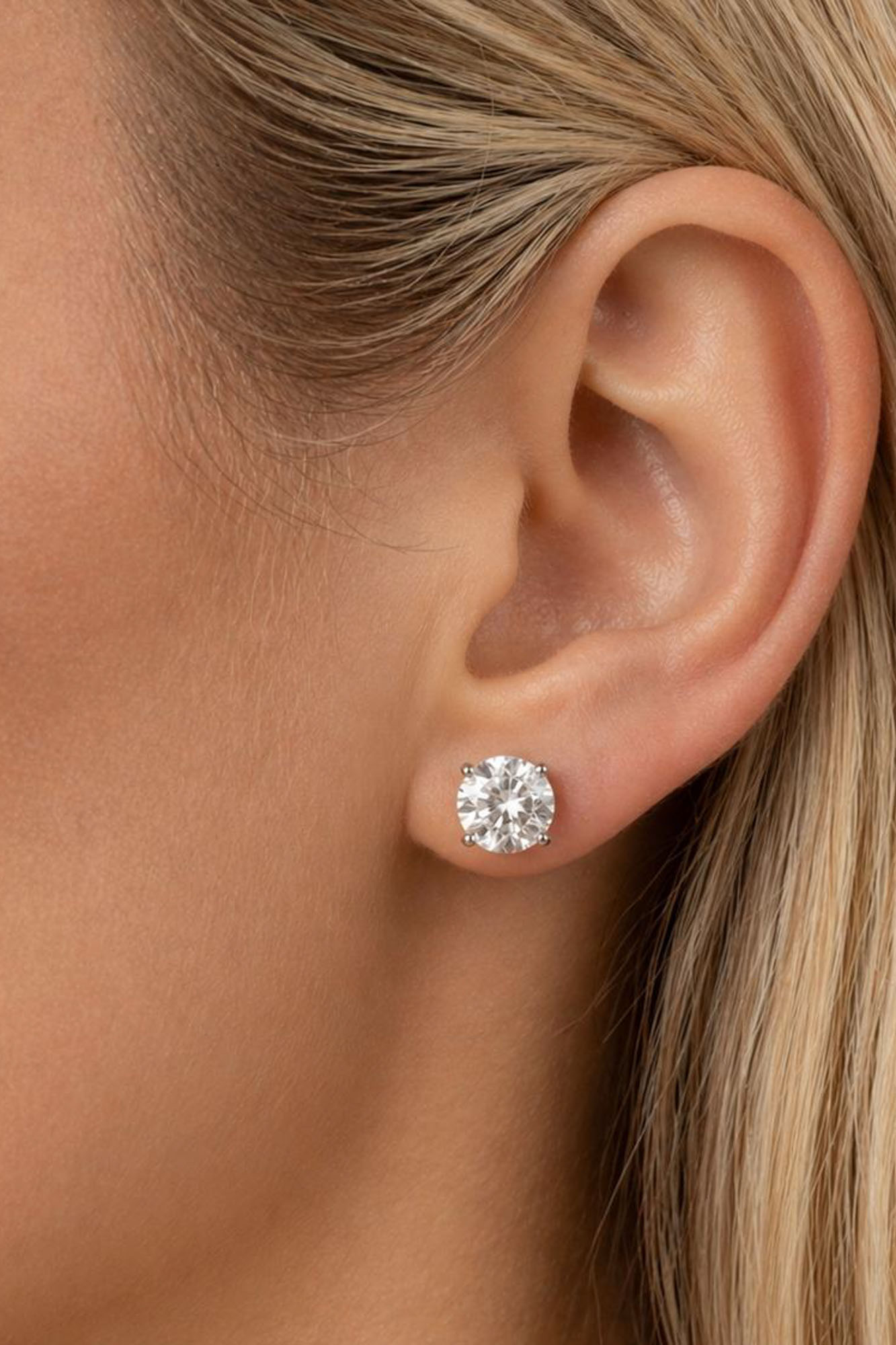
That idea sits at the heart of Aurelia, a new Miami-based fine jewelry house founded by Vitaliya Alkhovik. Aurelia works with laboratory-grown diamonds, but the brand is not particularly interested in turning that choice into a debate about natural versus lab-grown stones. Instead, Alkhovik wanted to create jewelry that could stand on its own - beautiful pieces with a strong point of view and, just as importantly, a reason to become personal.
For her, jewelry should be connected to something you want to remember. There are pieces we simply like, and then there are the ones we keep for years because they become attached to a particular time in our lives: an engagement, an anniversary, a new baby, a promotion, starting a business, moving somewhere new, falling in love or starting over. Sometimes the jewelry is a gift. Sometimes we buy it for ourselves. Either way, the object eventually becomes part of the memory.
That is the territory Aurelia wants to occupy. "You should remember the moment before you remember the logo," Alkhovik says. It is a simple line, but it says quite a lot about the brand. Aurelia isn't suggesting that famous jewelry houses have lost their appeal. There is something undeniably special about heritage, history and the rituals that surround traditional fine jewelry. But a recognizable name is no longer the only thing that can make an object feel important. Sometimes we simply fall in love with the piece, and sometimes what happened when we received it matters far more than whose name was printed on the box.
Alkhovik did not come to jewelry through the traditional route. After moving to the United States as a child, she spent much of her youth playing competitive tennis internationally and later played Division I college tennis on scholarship. She studied finance and information systems, followed by a master's degree in Management and Technology at New York University. Her career then moved through finance, technology, property and interior design before eventually arriving at jewelry.
At first, it sounds like a collection of unrelated worlds, but there are connections between them. Sport brought discipline and repetition. Finance encouraged her to think about how we assign value to things. Technology introduced a world in which established systems can be reconsidered, while interior design developed her eye for proportion, materials and detail. Jewelry became the place where those different interests could meet, with one important addition: emotion.
Alkhovik had always been fascinated by diamonds, gemstones and beautiful objects. When she began looking more closely at laboratory-grown diamond jewelry, however, she felt something was missing. There were technically impressive diamonds and sophisticated companies, but she wasn't always finding the experience she associated with fine jewelry - the anticipation, presentation, romance and feeling that something special was about to happen. That became one of the reasons for creating Aurelia. "I never wanted to create a rational version of fine jewelry," she says. "I wanted the magic back."
Laboratory-grown diamonds have spent years being explained through comparison. Are they real? How are they different from mined diamonds? Are they worth buying? Do they belong in fine jewelry? Aurelia takes a less defensive approach. The brand treats laboratory-grown diamonds as diamonds with a different origin and, therefore, a different story.
There is no attempt to tell clients that they must reject traditional diamonds in order to appreciate them. In fact, the idea of having to choose a "side" seems almost contrary to what Aurelia is trying to do. Someone can own jewelry from an established maison and also discover a young independent brand. She can appreciate the history of natural diamonds and still be curious about laboratory-grown ones. She can choose one piece because of its heritage and another simply because she loves the design.
Aurelia's philosophy is built around four words: Dignity. Clarity. Design. Meaning. Clarity is especially important to Alkhovik. Rather than making sweeping claims about one type of diamond being inherently better than another, she prefers the idea that clients should understand what they are buying and make their own decisions. "Modern luxury does not need a perfect story," she says. "It needs an honest one."
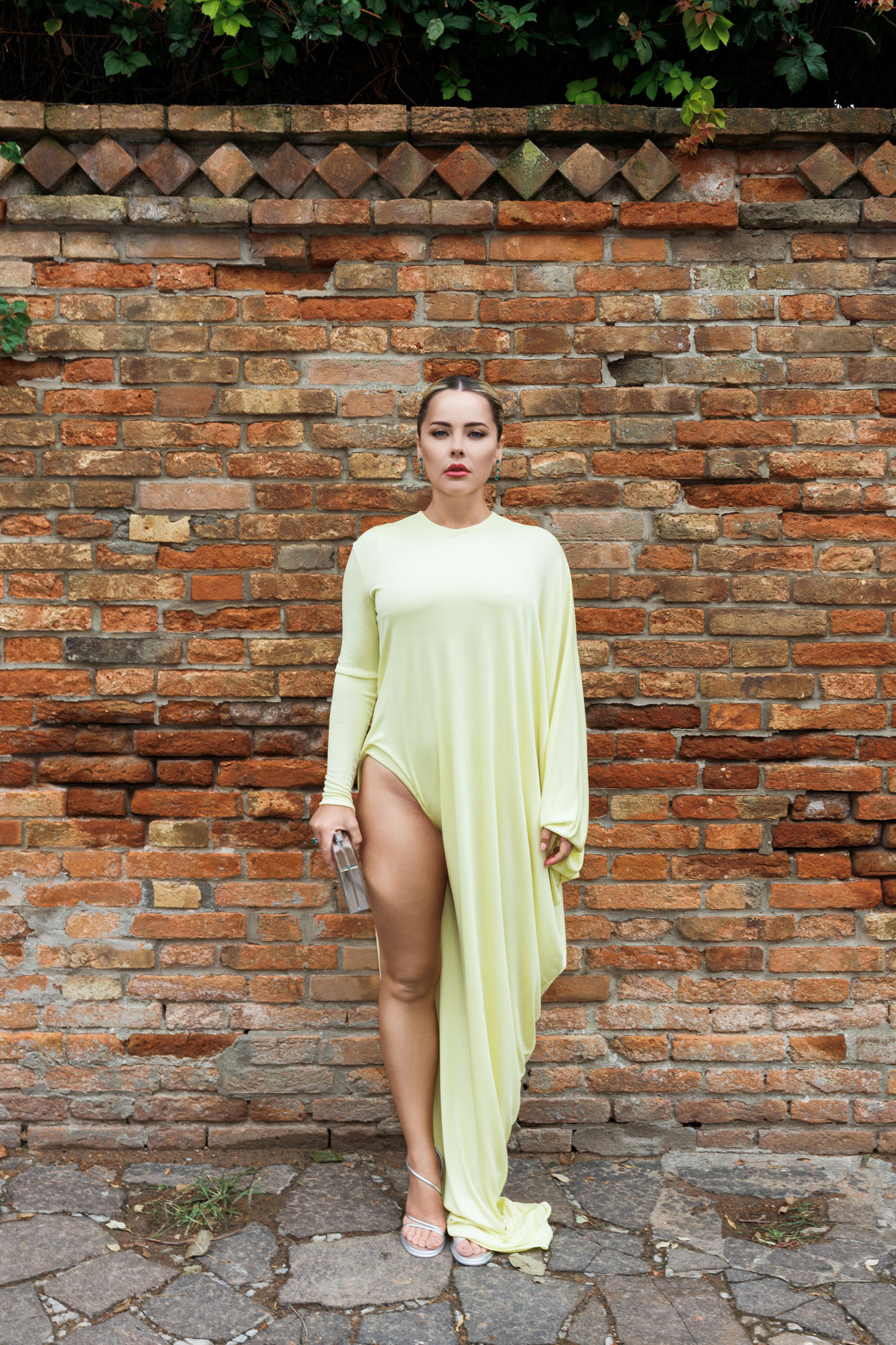
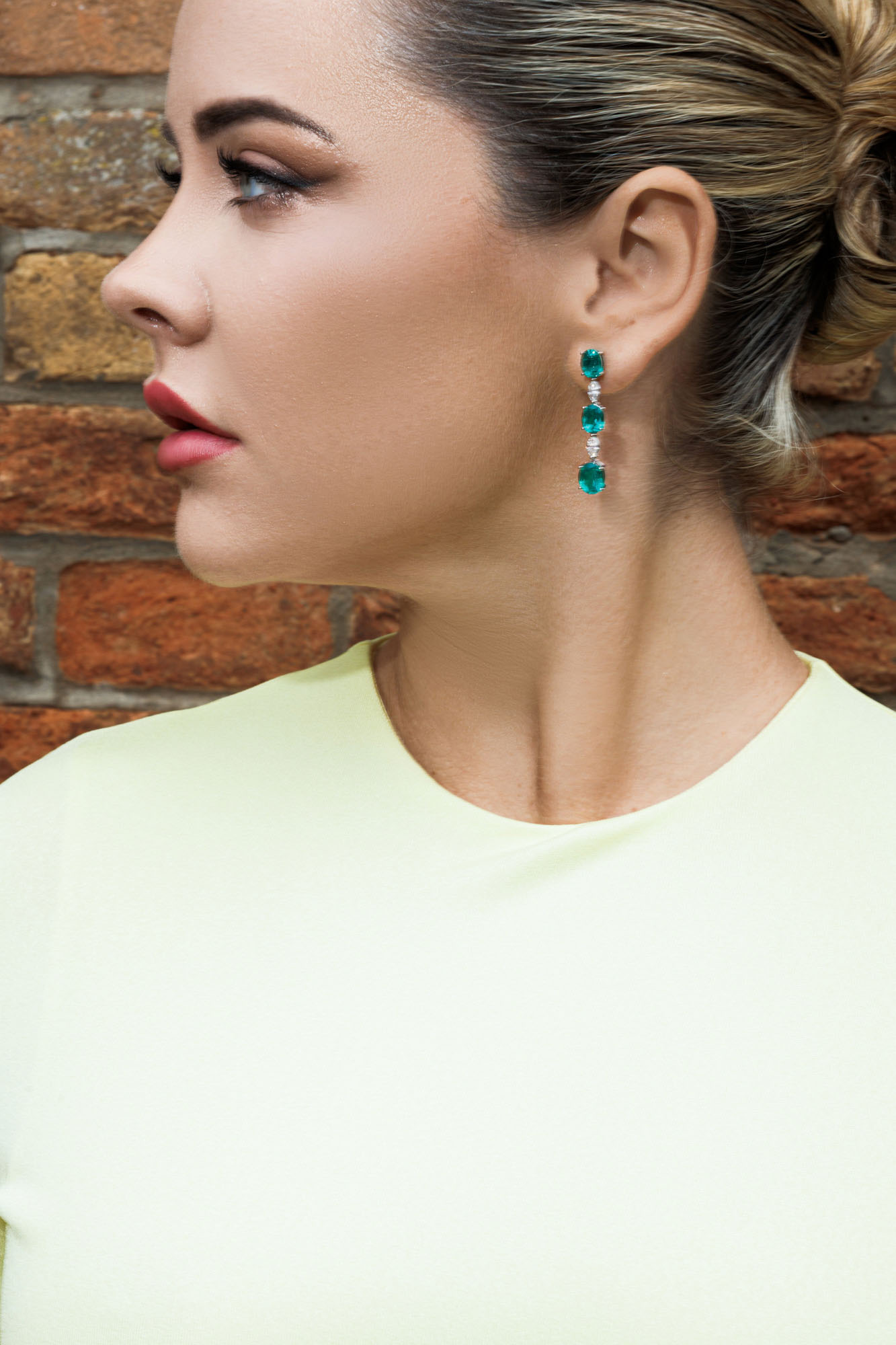
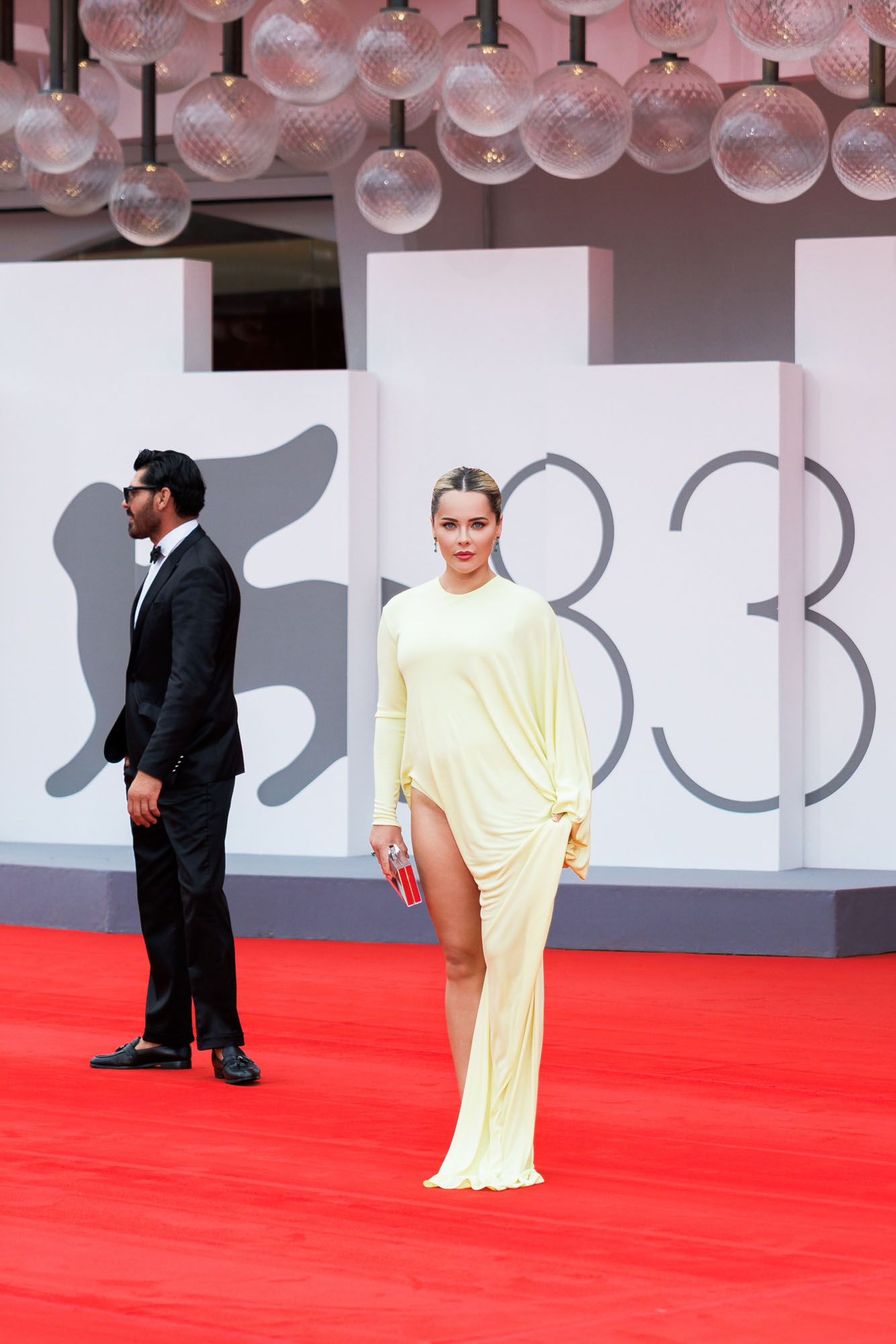
Aurelia's first public appearance took place far from Miami. In September 2026, the brand made its international debut in Venice during the Venice Film Festival, with Alkhovik appearing on the red carpet wearing laboratory-grown diamond jewelry from Aurelia's inaugural collection.
It was an interesting place for a new brand to begin. Venice is almost inseparable from history, beauty and craftsmanship, while the festival red carpet remains one of fashion and jewelry's most visible stages. Newness and tradition meet there constantly, and perhaps that is why Aurelia felt surprisingly at home. There was no attempt to make the laboratory-grown diamonds look futuristic or to turn their origin into the evening's statement. They were simply worn as jewelry - diamonds accompanying a beautiful look on a very photographed red carpet.
For a young house, it was a confident introduction. Instead of presenting laboratory-grown diamonds as something that required an explanation or defense, Aurelia placed them within one of luxury's most traditional visual worlds and allowed the pieces to speak through their design.
Aurelia describes its client as someone with a developed sense of her own taste. She may be an entrepreneur, an executive, a creative professional, an investor or an athlete. She may be married or single, building a family, starting a company or entering an entirely new chapter of her life. She may buy jewelry for herself or love receiving it from someone else. What matters more is that she knows herself well enough to choose something because she genuinely wants it.
That doesn't mean rejecting romance or tradition. Alkhovik is careful about that distinction. Independence does not mean doing everything alone, and buying jewelry for yourself does not somehow make receiving it from someone you love less meaningful. A diamond given to mark an engagement or anniversary can hold an intimacy that a self-purchased piece never could. A ring bought after reaching a personal goal can carry an entirely different, but equally real, meaning.
There is room for both. "A beautiful life is not something you have to build alone," Alkhovik says. "But it should feel like your own." That sentiment may say more about Aurelia than any discussion of diamond technology. The brand's idea of its customer is less about age, income or relationship status and more about having the confidence to participate in defining your own life and your own idea of what is valuable.
Ultimately, Aurelia is entering a crowded jewelry world with a surprisingly simple proposition. The brand isn't asking us to forget everything that came before. It isn't declaring the end of natural diamonds or the traditional jewelry house, and it isn't suggesting that technology has somehow made romance outdated. It is simply asking whether there is room for something else: jewelry chosen because the design speaks to us, a diamond whose origin we understand and are comfortable with, and a beautiful object that doesn't need everyone else to recognize its value before it can feel valuable to us.
Above all, Aurelia is interested in jewelry that becomes attached to a life. Years from now, we rarely remember every detail of what something cost or why it seemed fashionable at the time. We remember where we were, who was there, what had just happened and how it felt when we opened the box.
Perhaps that is the kind of value Aurelia is really interested in creating.
Website: www.aureliafinegems.com
Instagram: @aureliafinegems.co